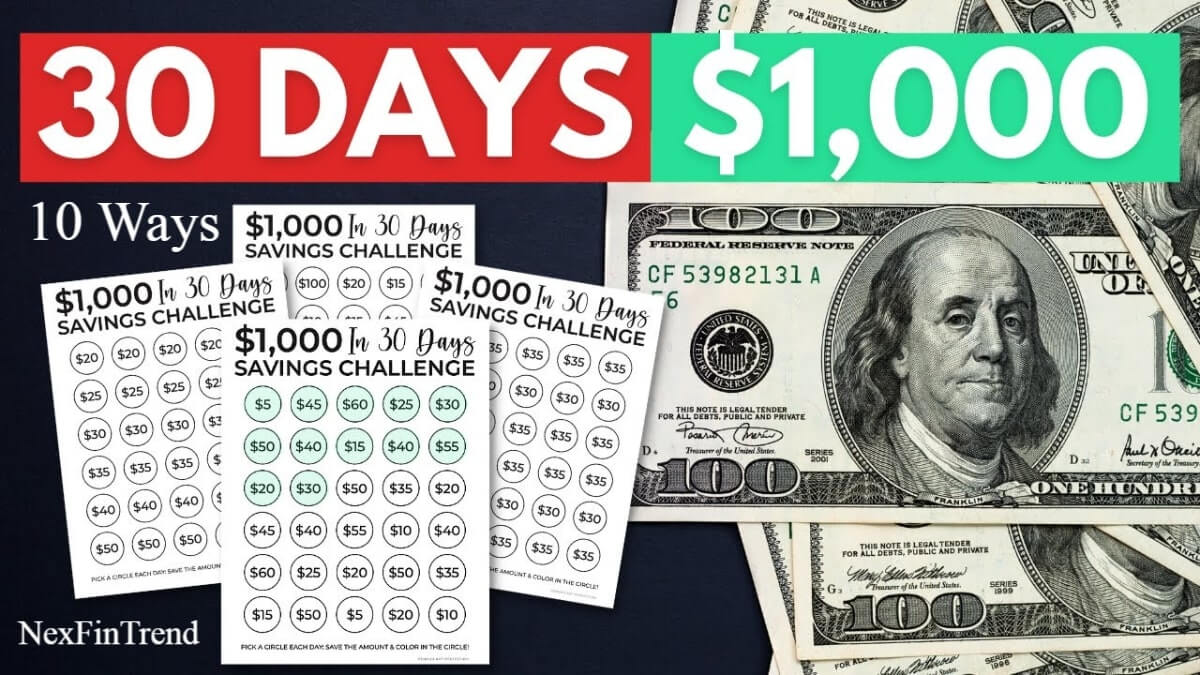
Establishing solid financial habits in your twenties and thirties creates a foundation for lifelong financial security. Starting early provides the significant advantage of compound growth over time.
Emergency funds should be your first financial priority. Aim to save three to six months of living expenses in an easily accessible account. This safety net prevents you from going into debt when unexpected expenses arise, such as car repairs or medical bills.
Compound interest becomes your most powerful wealth-building tool when you start investing early. Even small amounts invested consistently can grow substantially over decades. A 25-year-old investing $200 monthly until retirement will likely accumulate more wealth than someone who starts at 35 investing $400 monthly.
Employer 401(k) matching represents free money that you should always claim if available. Contribute at least enough to receive the full company match, which typically ranges from 3-6% of your salary. This immediate return on investment is difficult to beat in any other investment vehicle.
Debt management requires strategic thinking. Pay off high-interest debt first, such as credit cards, while making minimum payments on lower-interest loans like student loans. The interest you save by eliminating high-rate debt often exceeds potential investment returns.
Budgeting doesn’t have to be restrictive or complicated. The 50/30/20 rule allocates 50% of income to needs, 30% to wants, and 20% to savings and debt repayment. This framework provides structure while maintaining flexibility for personal preferences.
Automate your finances to remove willpower from the equation. Set up automatic transfers to savings accounts and investment accounts immediately after receiving your paycheck. This “pay yourself first” approach ensures saving happens before spending temptations arise.