
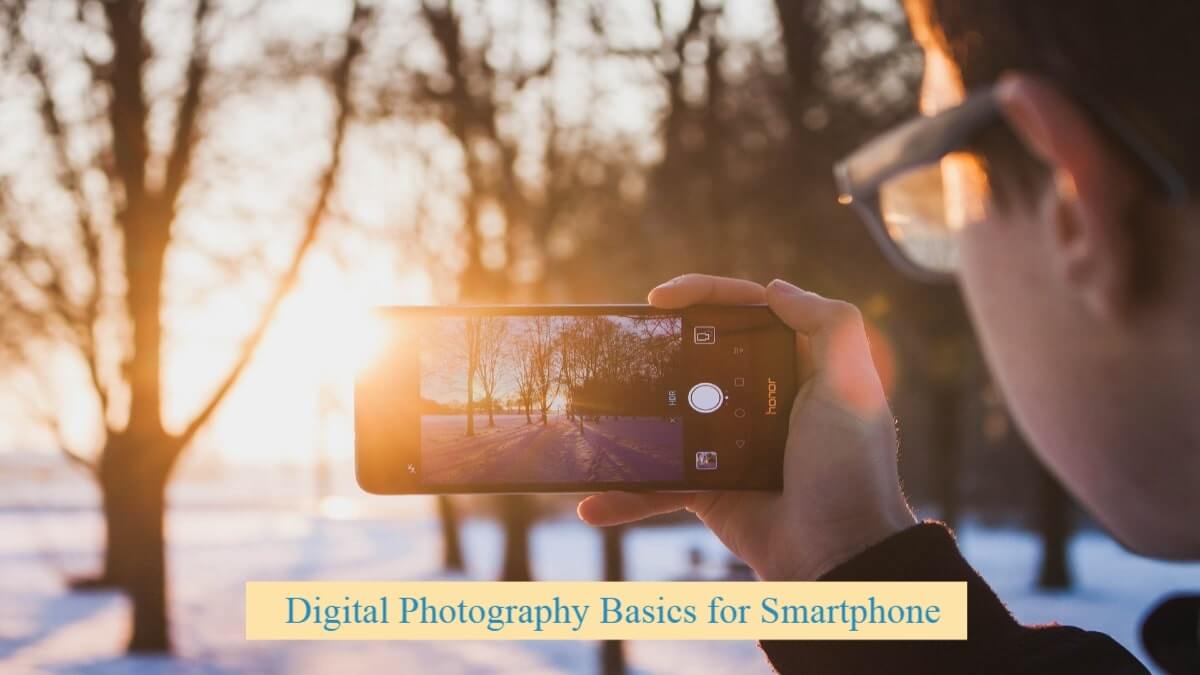
Modern smartphones contain powerful cameras capable of producing professional-quality images when used correctly. Understanding basic photography principles can dramatically improve your photos without requiring expensive equipment.
Composition forms the foundation of compelling photographs. The rule of thirds divides your frame into nine equal sections with two horizontal and two vertical lines. Placing subjects along these lines or at their intersections creates more visually interesting images than centering everything.
Lighting determines photo quality more than camera specifications. Natural light generally produces better results than artificial lighting. The golden hour—one hour after sunrise and before sunset—provides warm, soft light that flatters most subjects. Overcast days create natural diffusion for even, flattering portraits.
Focus and exposure control give you creative power over your images. Most smartphones allow you to tap the screen to set focus points. Experiment with focus to create depth of field effects where your subject appears sharp against a blurred background.
Leading lines guide viewers’ eyes through your photographs. Roads, fences, rivers, or architectural elements can create visual pathways that draw attention to your main subject. Look for natural or man-made lines in your environment.
Perspective changes can transform ordinary subjects into extraordinary images. Try shooting from low angles to make subjects appear more powerful, or from high angles for a bird’s-eye view. Moving closer to your subject often creates more impactful images than zooming in from far away.
Post-processing apps can enhance your photos, but use them judiciously. Over-editing creates unnatural-looking images. Focus on adjusting exposure, contrast, and saturation subtly rather than applying heavy filters.